


Why tea is called chai in india
Discover Why Tea is Called Chai in India: The Incredible Journey of Chai and Chaiera
Arey!! Chai bani ki nahi?
For millions of Indians, chai is not just a beverage, but a ritual, a comfort, and an everyday necessity. From homes to roadside stalls, a day feels incomplete without that steaming cup of chai. But have you ever wondered why tea is called chai in India?
This article uncovers the fascinating origins of the word chai, its cultural significance, and how places like Chaiera Tea Café celebrate this timeless tradition.
The Fascinating Origin of the Word “Chai”
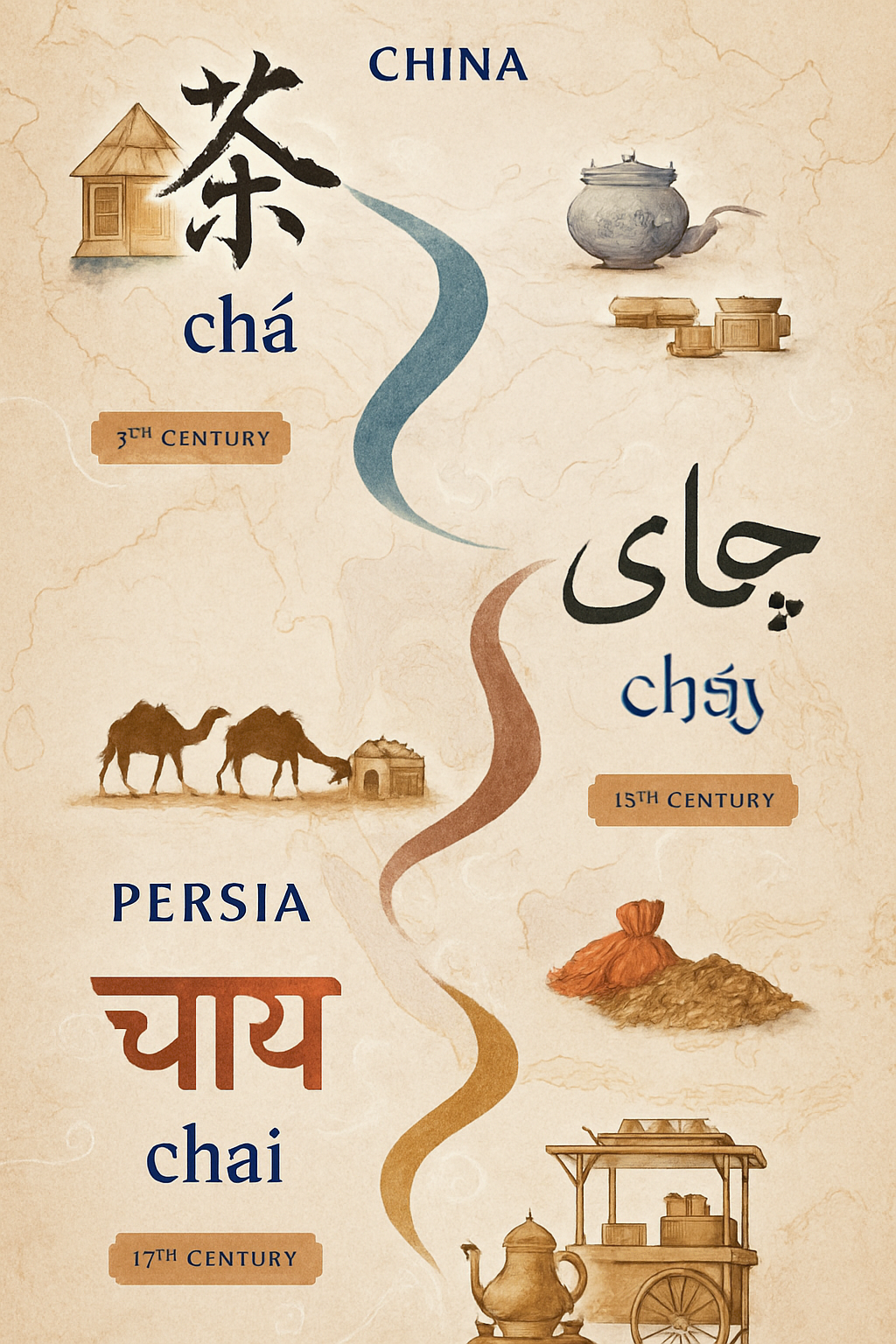
The word chai has its roots in the ancient Chinese word cha, meaning “tea.” As tea traveled across regions through trade, the word evolved:
-
In China, it was called cha.
-
In Persia, it transformed into chay.
-
In India, it became chai, influenced by Persian and local pronunciations.
So, when Indians say chai, they’re actually echoing a word that has journeyed across centuries and continents. It connects Indian tea culture directly to its Chinese roots while making its own unique mark.
Chai vs Tea – What’s the Difference?
Globally, the drink is known as tea, but in India, chai is not just tea—it’s a special preparation.
-
Tea = the general English term
-
Chai = usually refers to masala chai, the spiced Indian version that has become a cultural treasure
What Exactly is Masala Chai?
Masala chai is India’s signature tea preparation. Unlike plain black or green tea, masala chai is a rich, spiced brew made by simmering:
-
Black tea leaves
-
Milk
-
Sugar
-
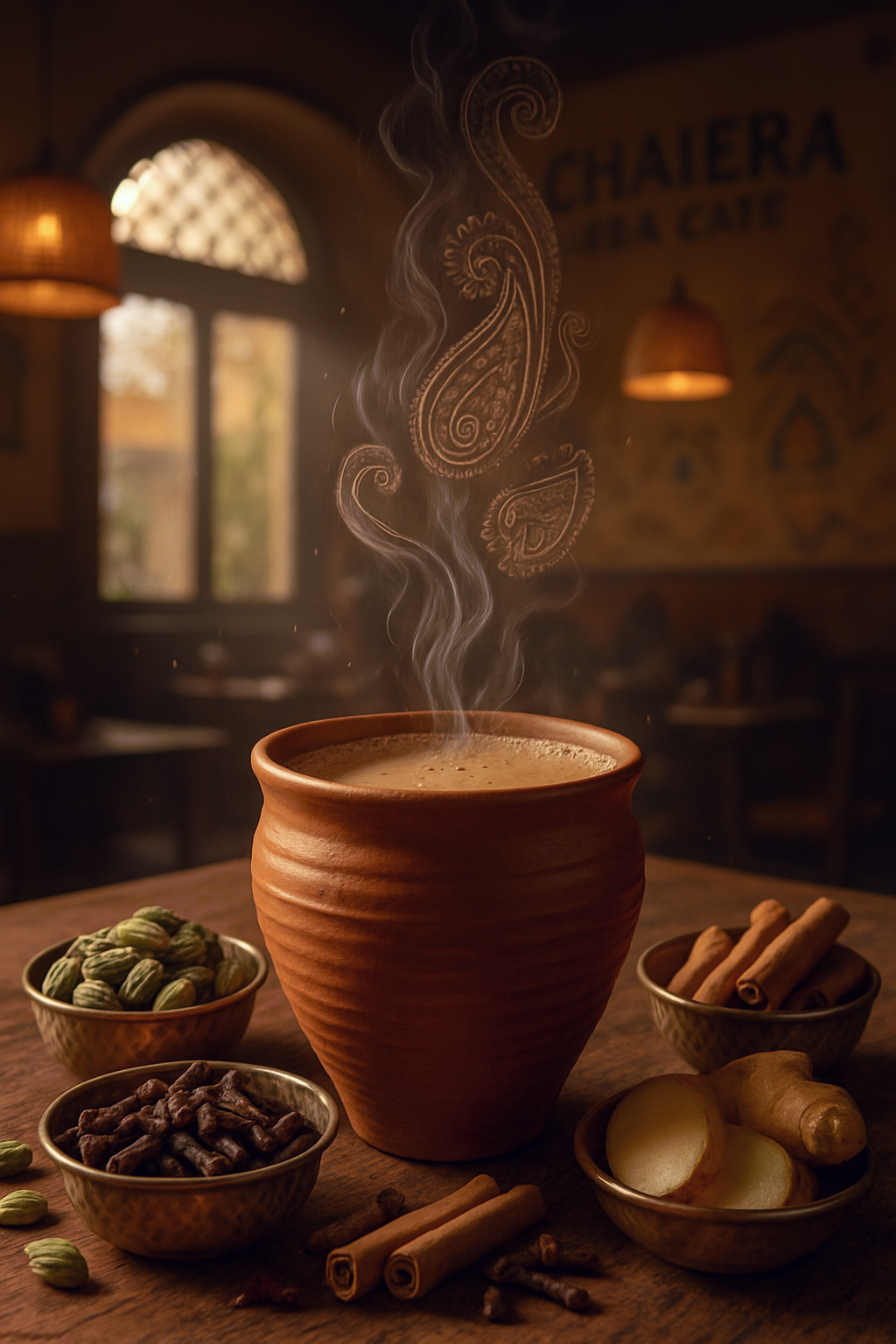
A blend of spices like ginger, cardamom, cloves, cinnamon, and black pepper
This unique blend makes masala chai not just a drink, but a sensory experience that reflects India’s vibrant cultural mix.
The Role of Chai in Indian Culture
Chai is not just consumed—it’s lived and shared. It plays multiple roles in Indian society:
-
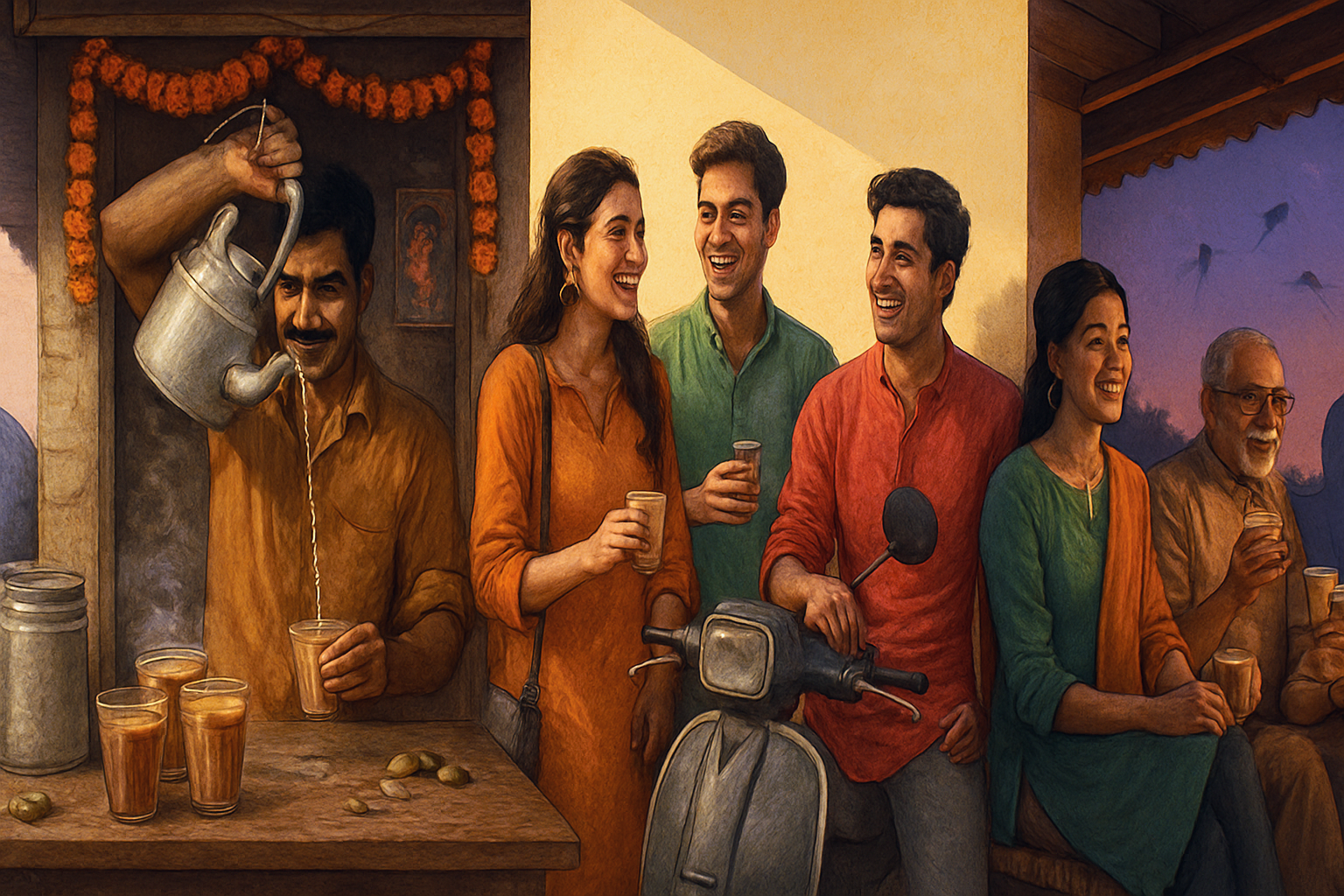
Social Connector: Shared at homes, offices, or roadside tapris.
-
Hospitality Symbol: Offering chai to guests is a universal Indian gesture of warmth.
-
Daily Ritual: Morning energy, evening breaks, and countless cups in between.
-
Cultural Legacy: From villages to urban cafés like Chaiera, chai unites Indians across regions and lifestyles.
Why is Chai So Special Across India?
1. Historical Connection – Rooted in global trade and cultural exchange.
2. Aromatic Richness – Strong, spiced, and comforting flavors.
3. Emotional Anchor – Beyond refreshment, chai is tied to memories, conversations, and bonding.
Chaiera: Modern Chai Culture with a Traditional Touch
Cafés like Chaiera Tea Café celebrate this heritage by bringing traditional chai into modern spaces. Whether enjoyed as a quick cup at work or a relaxed session with friends, Chaiera embodies the warmth, aroma, and emotions that make chai extraordinary.
Final Thoughts: Why Tea is Called Chai in India
So, why tea is called chai in India? Because the word traveled from China to Persia to India, carrying history, language, and culture along the way. For Indians, though, chai is much more than just tea—it is comfort, hospitality, and togetherness in a cup.
👉 Next time you sip chai—whether at home or at Chaiera Tea Café—remember that you are not just drinking a beverage, you’re savoring centuries of tradition and culture.
“Masala Chai at Chaiera Tea Cafe”
8 Comments
fnf corrupted omniverse vs pibby ben 10
July 4, 2025
FNF Corrupted Omniverse VS Pibby Ben 10 is one of those mods that feels better once you get into the rhythm. Definitely worth a try.
corrupted omniverse vs pibby ben 10 fnf
July 4, 2025
I tried Corrupted Omniverse VS Pibby Ben 10 FNF and it was a fun rhythm challenge. The page opens quickly and the mod gets straight into the action.
fnf corrupted omniverse vs pibby ben 10
July 4, 2025
FNF Corrupted Omniverse VS Pibby Ben 10 has a really good flow. The music feels catchy and the gameplay is smooth enough to replay a few times.
Eleanor4755
July 4, 2025
https://shorturl.fm/WgRt7
Claire4937
July 4, 2025
https://shorturl.fm/5AMaG
fun puzzle games
July 4, 2025
fun puzzle games works well for finding small web games without too much searching. Nice option for quick browser play.
puzzle clicker games
July 4, 2025
This page is useful for puzzle clicker games. The games are easy to access and the layout does not get in the way.
puzzle games online
July 4, 2025
For casual clicker fans, puzzle games online has a good selection. I found a few fun pages that are worth replaying.