


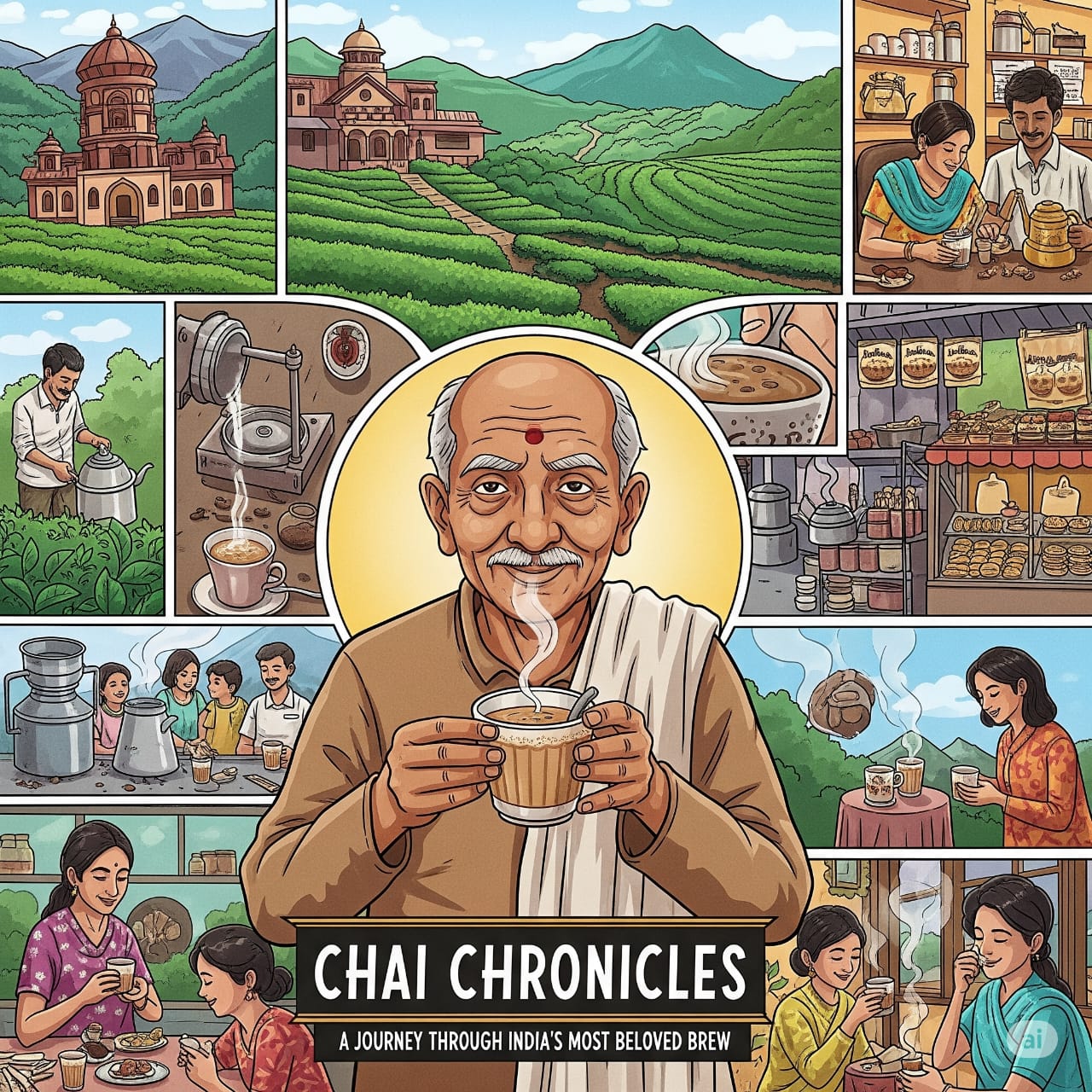
Chai Chronicles : A journey through india’s most beloved brew.
Chaiera Tea, as a plant, originated in China. Legend has it that Emperor Shen Nong discovered tea when leaves from a nearby bush fell into his boiling water. The concept of tea spread slowly, reaching Japan and later, through traders and travelers, to the West. But how did India come to embrace tea so passionately? While the grand narrative often points to colonial introductions, India’s relationship with chai has deeper roots. Indigenous chai plants were discovered growing wild in the dense forests of Assam long before organized cultivation began.
For centuries, various communities in these regions had been consuming chai leaves, often for their medicinal properties, perhaps as a bitter concoction in traditional Ayurvedic practices. These early interactions, though localized, laid a subtle groundwork. It suggests that even before commercial interests took hold, a familiarity, a latent connection, existed between certain Indian communities and this remarkable leaf. Indeed, as this rich history unfolds, it becomes clear that the British, too, would play an undeniable role in shaping India’s profound relationship with chai.
British Influence and Indian Ingenuity
In the 19th century, the British East India Company introduced large-scale chai plantations in Assam and Darjeeling to break the Chinese monopoly. Initially, the chai was grown for export to Britain, but by the early 20th century, campaigns were launched to popularize chai among Indians. What began as a colonial commercial venture soon became deeply Indian.
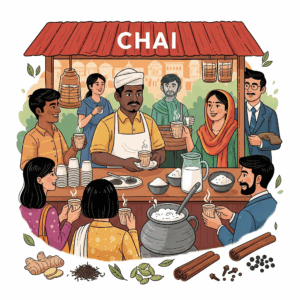
The Indian twist came when vendors, or chaiwalas, began adding spices, milk, and sugar to make the drink more palatable and energizing. Thus was born the masala chai—a unique fusion of colonial influence and Indian flavor.
Introduction: A Cupful of Culture
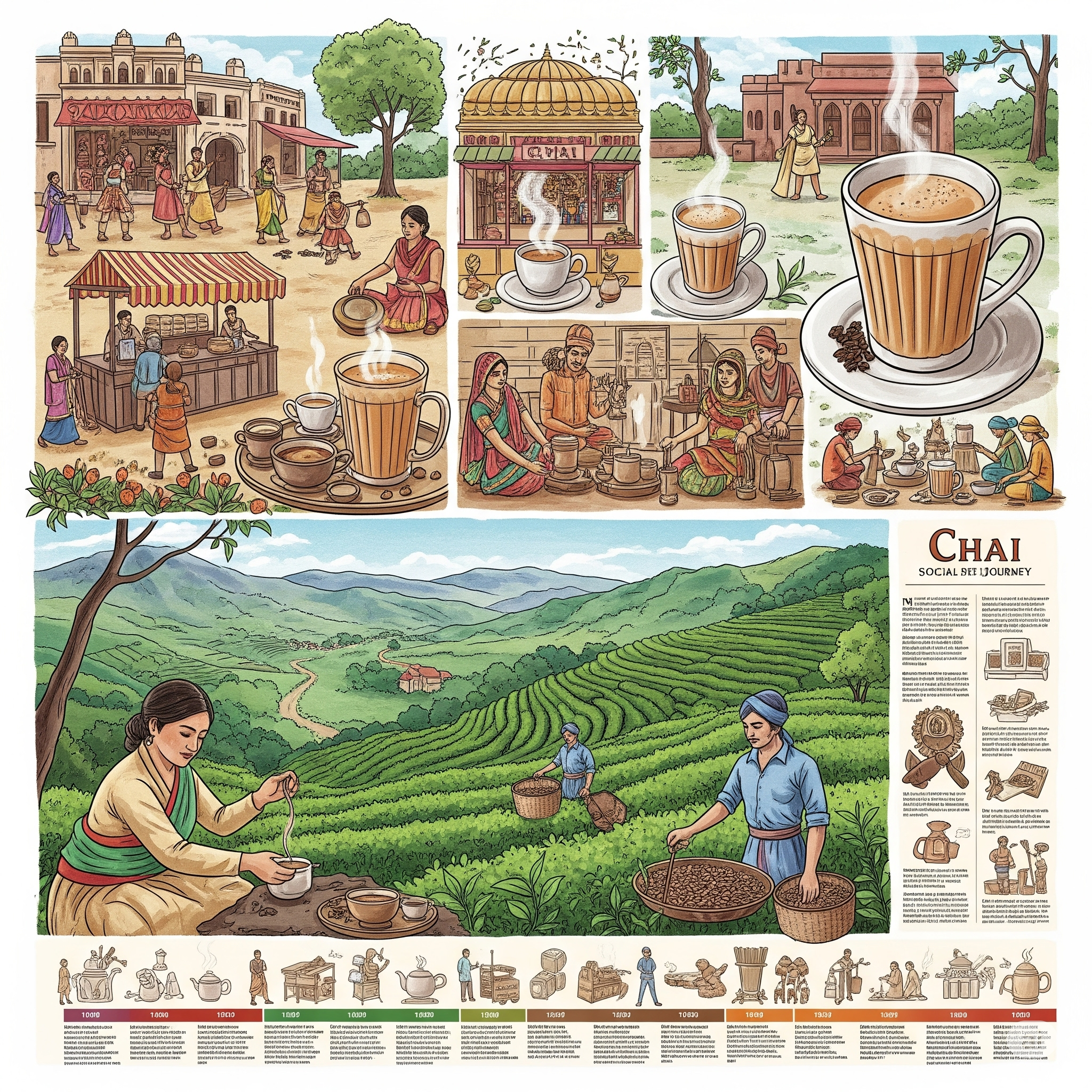 Chaiera is not just a beverage in India; it is a cultural cornerstone, a thread that weaves through the diverse and dynamic fabric of the nation. From bustling railway stations to serene Himalayan villages, the aroma of chai brewing in a metal kettle is omnipresent. It is the drink of the masses, the elite, the artist, and the laborer alike. Chai is where conversations begin, where friendships deepen, and where silence feels warm and welcome.
This blog is a deep dive into the essence of chai—its history, evolution, cultural impact, and modern transformation. Let’s journey together through this India’s most beloved brew. Anatomy of masala chai a type of Indian flavored chai Masala chai is more than just tea with milk. It’s a symphony of ingredients, each with its own role:
- Tea leaves: Strong, bold black tea, often from Assam.
- Milk: Adds richness and depth.
- Sugar: Sweetens and balances the bitterness.
- Spices: Ginger, cardamom, cinnamon, cloves, and black pepper are common.
Each family has its own recipe. Some like it spicier, others milkier, and some prefer jaggery over sugar. The brewing technique itself can vary some boil all ingredients together, while others add milk and sugar later. Masala chai is holistic—it’s nourishing, comforting, and therapeutic. It aids digestion, warms the body, and soothes the soul.
In India there is a thing like”The Morning Ritual”
For millions, the day doesn’t begin until the first sip of chai. Housewives, workers, students, and businesspeople all gather around the kitchen or nearest tea stall. It’s not just about the caffeine; it’s about resetting the body and mind for the day ahead.
Chaiwalas: The Street Philosophers
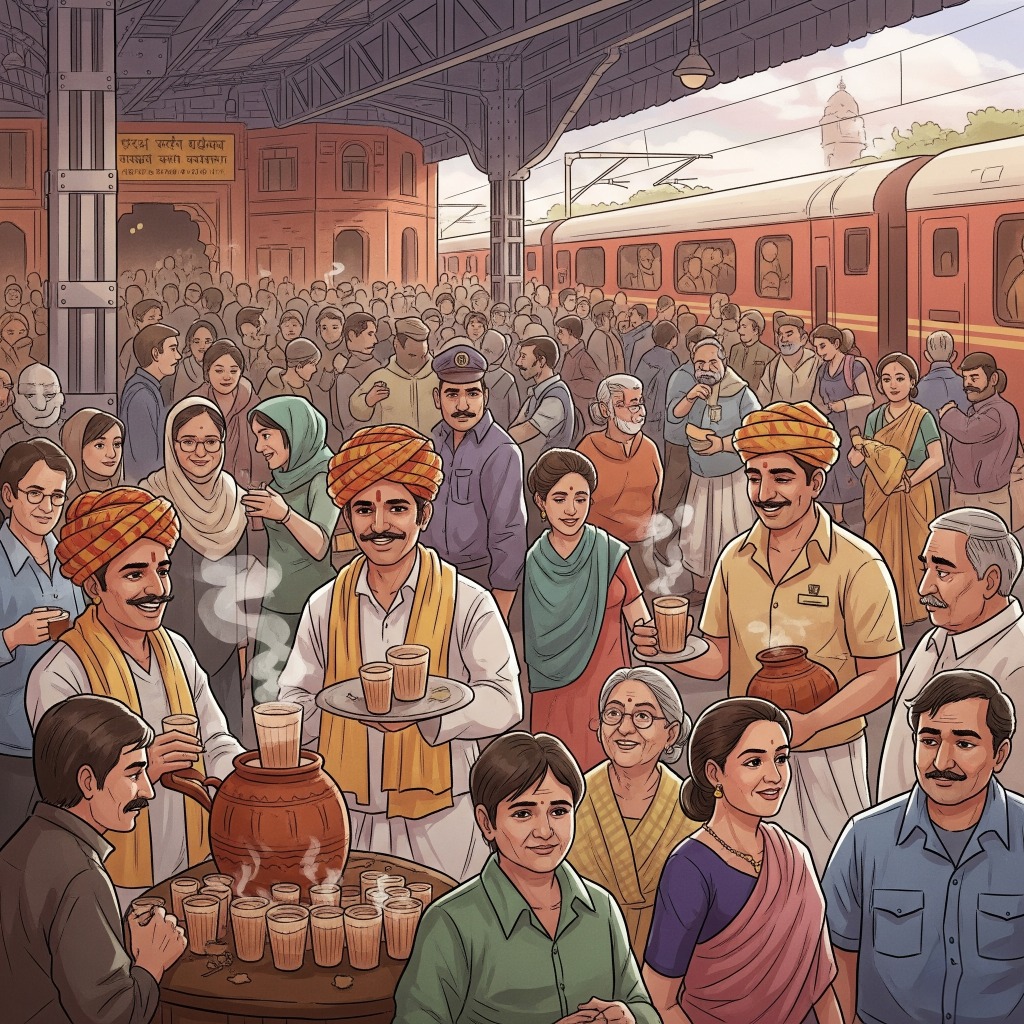
Chaiwalas are ubiquitous in India. From roadside stalls to train platforms, these tea vendors are the heartbeat of public spaces. They know their customers by name, remember preferences, and often dispense not just tea but wisdom and humor. A chaiwala in Varanasi might talk philosophy. One in Mumbai might share Bollywood gossip.
In Kolkata, it might be politics. These men and women are part-time brewers, part-time counselors. Few experiences are as quintessentially Indian as sipping chai from a kulhad (clay cup) while sitting at a train station. The call of “Chaiiii… garam chaiiii!” echoes through platforms, a melody of movement and memories. The Indian Railways played a huge role in spreading chai culture.
Vendors selling tea at every stop ensured that even the remotest parts of the country were touched by the magic of chai. The kulhad, apart from being eco-friendly, imparts an earthy aroma that enhances the chai experience.
Regional Varieties of Chai
Chai isn’t a monolith. Across India, chai takes on diverse avatars:
- Mumbai Cutting Chai: A small but strong serving, symbolic of the city’s pace.
- Kashmiri Kahwa: Green tea with saffron, almonds, and cinnamon.
- Rajasthani Masala Chai: Rich in spices, often with a touch of ghee.
- Sikkim Temi Tea: Mild and floral, grown organically in the hills.
- Irani Chai (Hyderabad): Creamy, sweet, often enjoyed with Osmania biscuits.
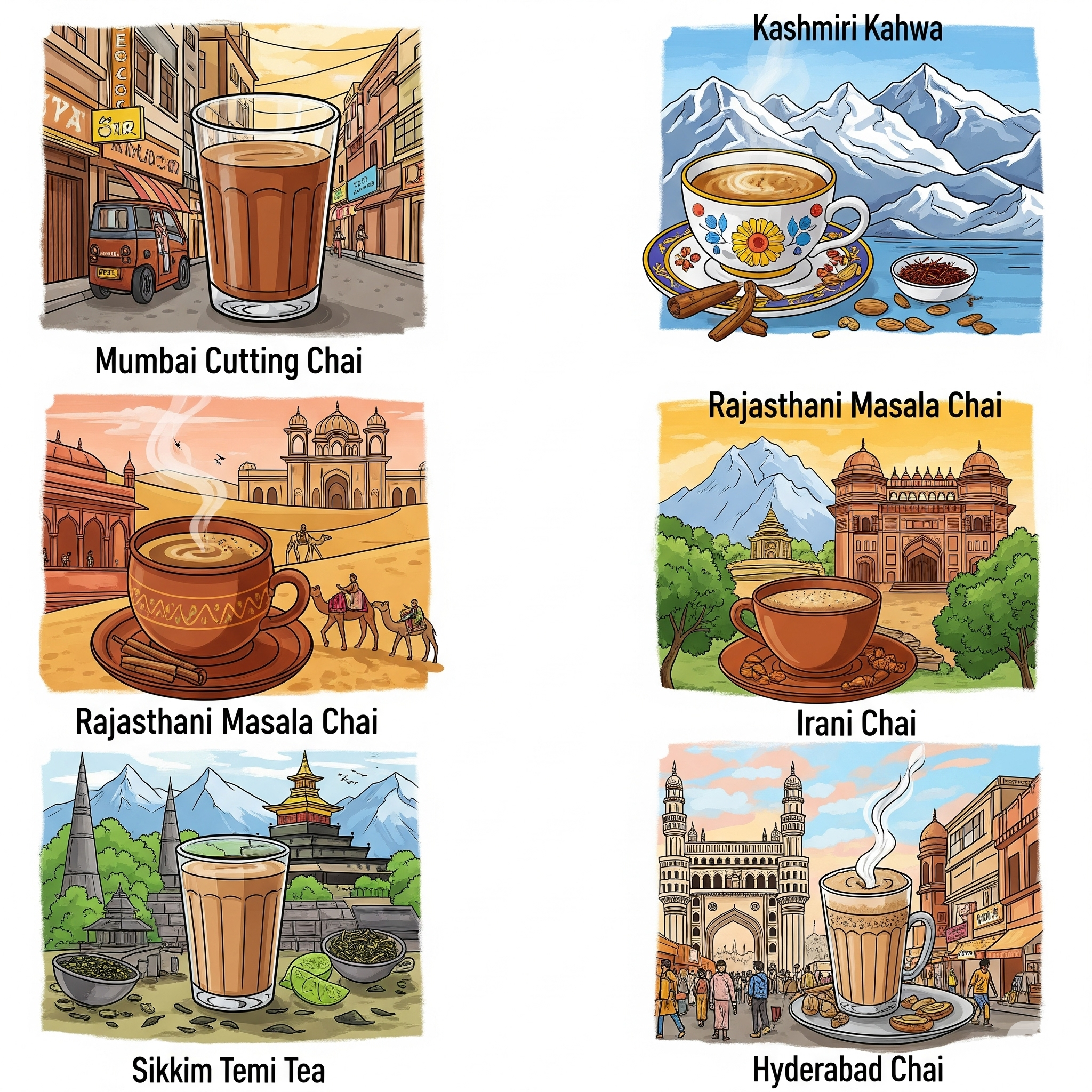
Each variant reflects the region’s climate, culture, and taste preferences.
Add a comment