


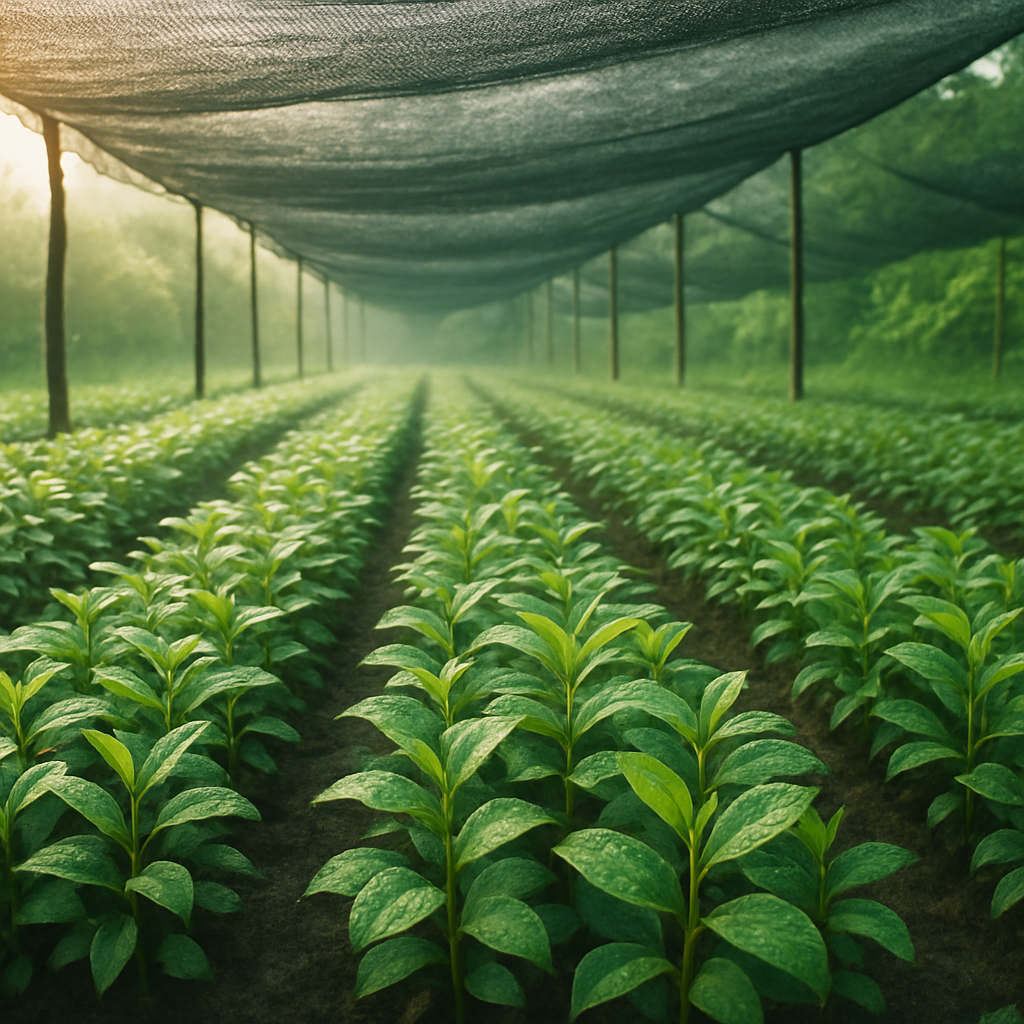
Chai Manufacturing: The Incredible Journey from Seed to Sip
Chai Manufacturing Process: From Seed to Sip in India’s Finest Tea Gardens
Chai is not just a drink—it’s an emotion that brings peace and warmth to our souls with every slow, comforting sip. But have you ever wondered how this beloved drink is cultivated, processed, and packaged to deliver its signature flavor? Welcome to the incredible journey of chai manufacturing in India, the world’s largest consumer of tea, predominantly grown in regions like Assam and Darjeeling.
Few important steps in the seed plantation are-
Seed Selection and Nursery: The Foundation of Chai Manufacturing
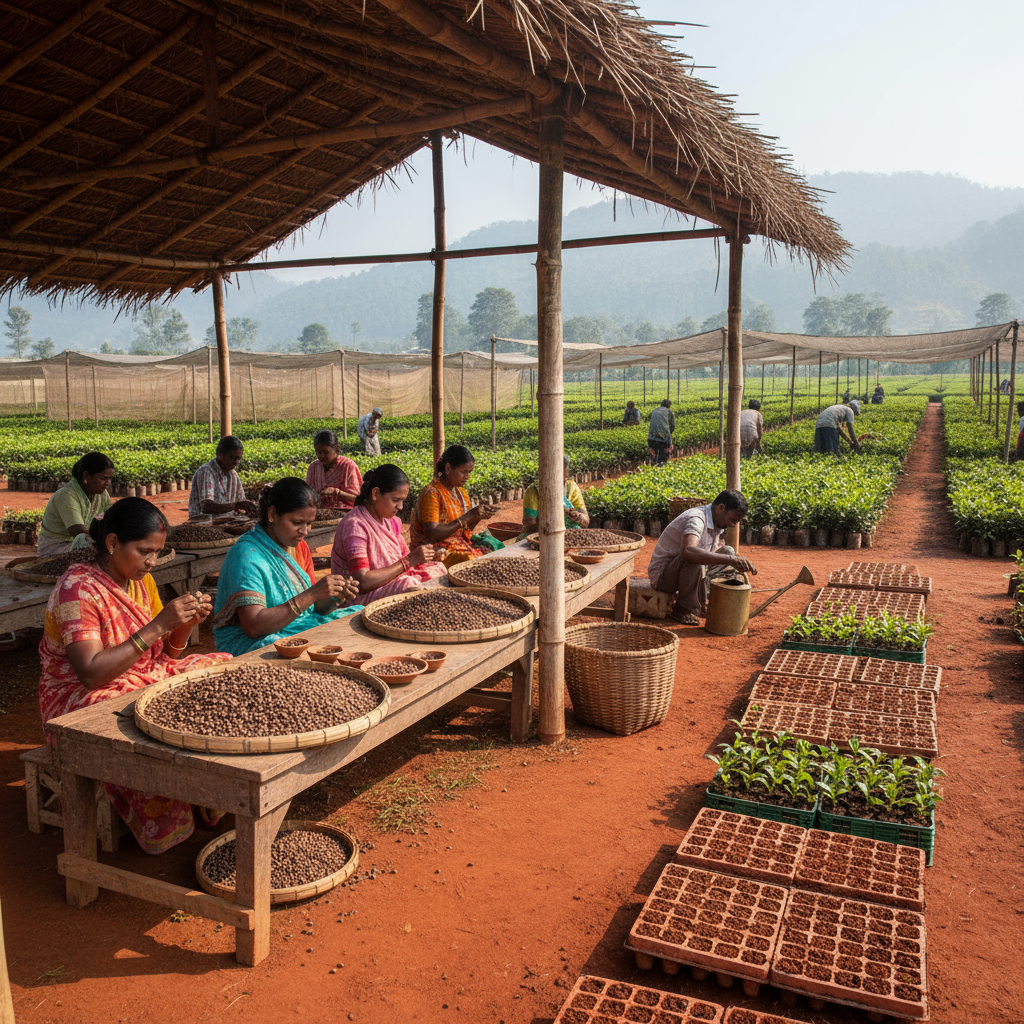
The chai manufacturing process begins with the careful selection of seeds. These seeds are sown in well-prepared beds with proper spacing of 25-30 cm between seeds and rows. To protect the young seedlings, they are covered with thatch or straw and nurtured in nurseries until ready for transplanting. Proper watering and gradual exposure to sunlight are critical during this stage to strengthen the seedlings.
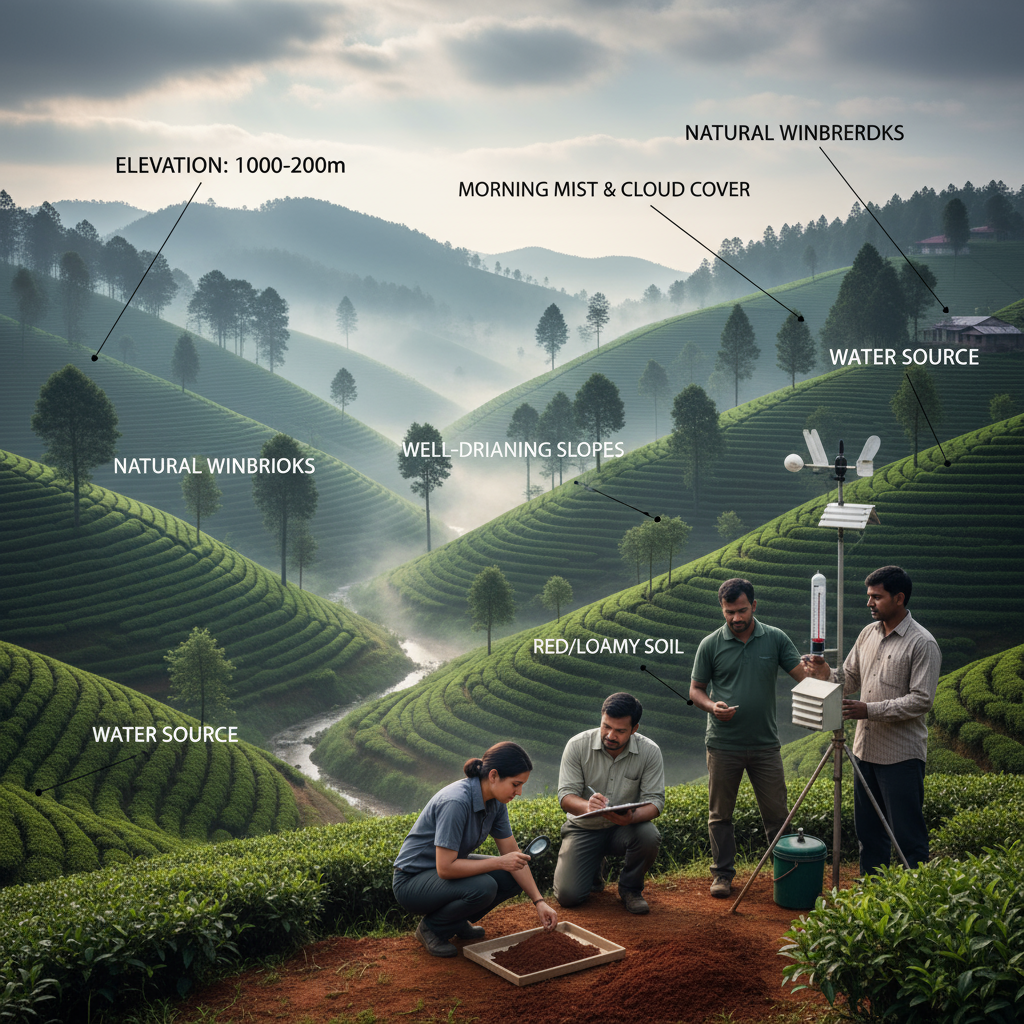
Choosing the Best Location and Climate for Tea Plantations
Tea grows best in tropical climates with temperatures ranging from 13°C to 32°C. A frost-free environment with well-drained, acidic, and fertile soil is essential for healthy tea bushes. India’s famous tea-growing areas like Assam and Darjeeling offer the perfect altitude, rainfall, and environmental conditions ideal for high-quality chai production.
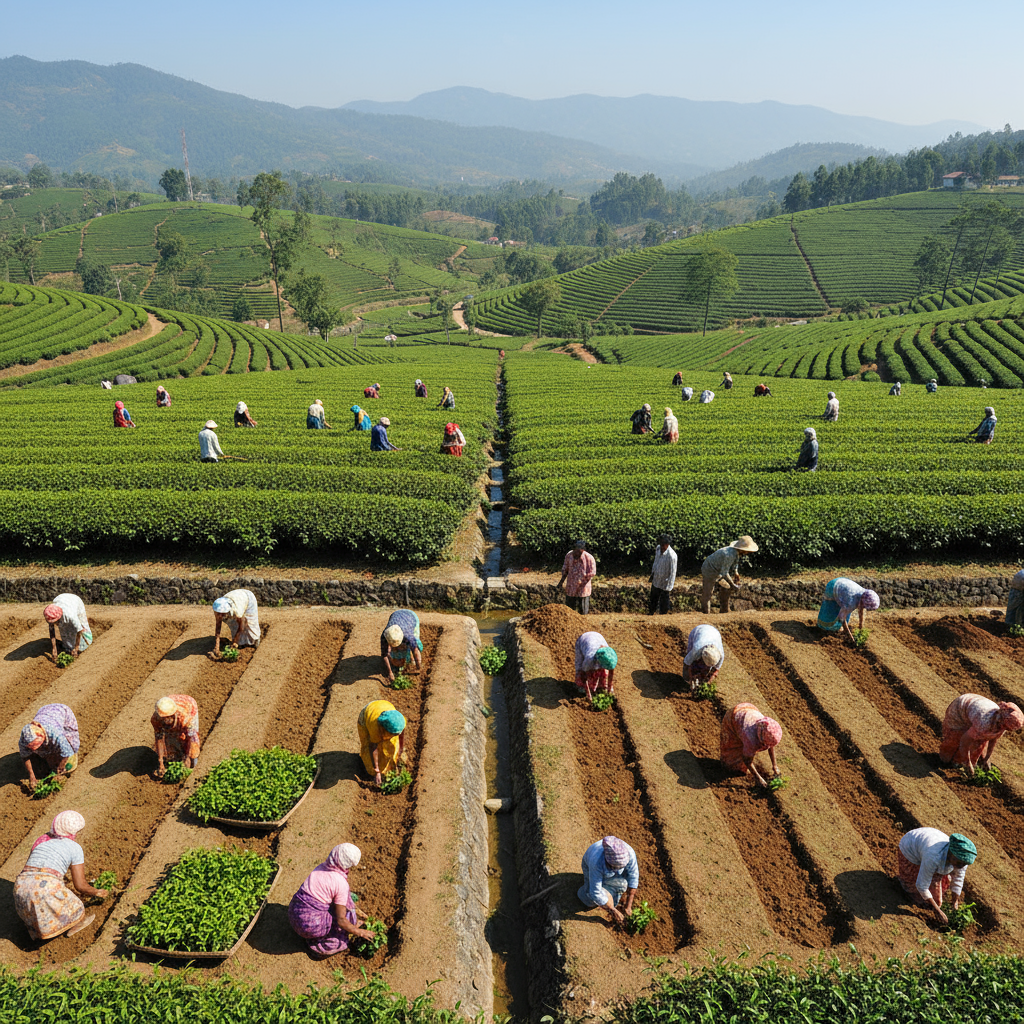
Transplanting and Plantation Care: Growing the Tea Bushes
Once the seedlings are strong enough, they are carefully transplanted to tea gardens with adequate spacing to ensure healthy growth. Ongoing care includes pruning, fertilizing, watering, and effective weed control to maintain the bushes’ health and boost leaf production essential for quality chai.
The Art of Tea Harvesting: Plucking the Perfect Leaves
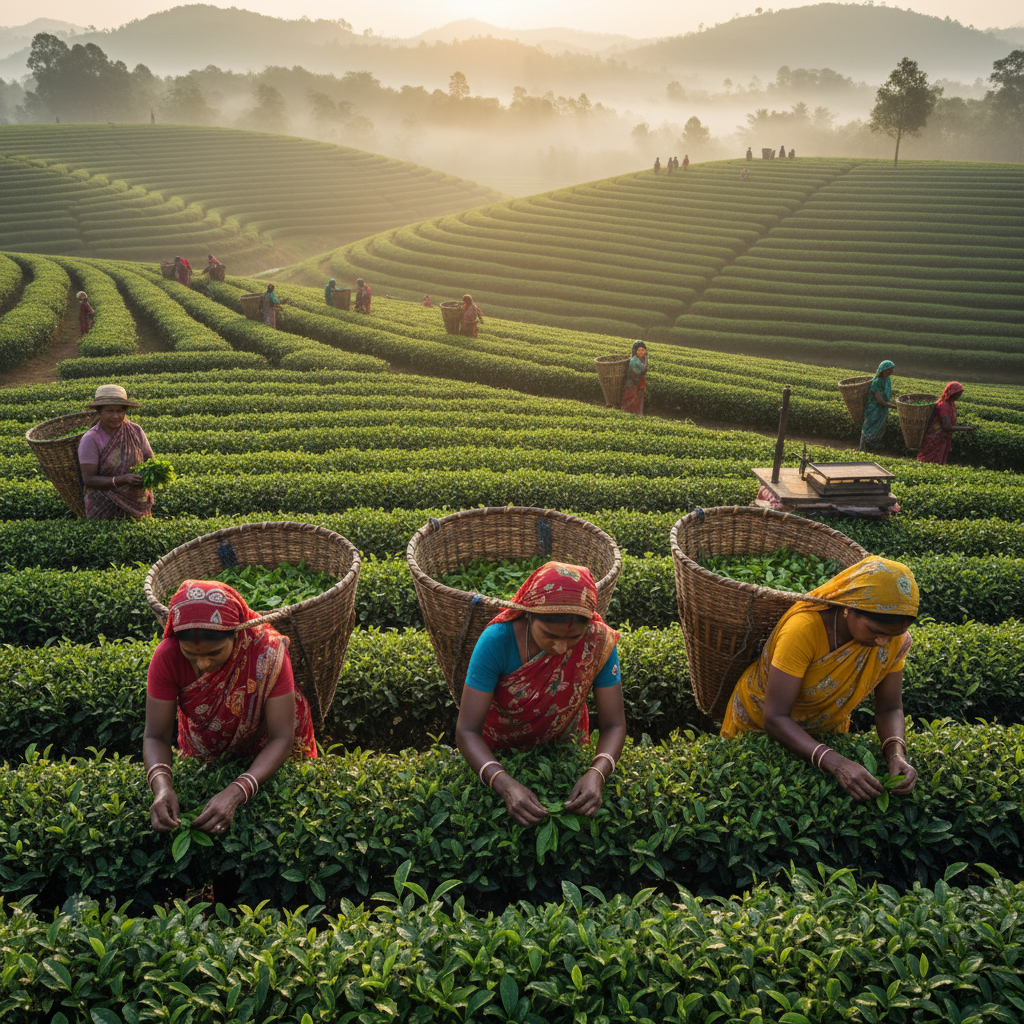
The harvesting phase is a delicate and crucial part of chai manufacturing. Skilled pluckers use their fingers to pick the top two leaves and a bud—the young leaves that hold the richest flavor and aroma. Timing and frequency of harvesting are carefully managed to ensure optimal leaf quality. Different regions observe unique harvesting traditions, such as the “flush” cycles in India and Nepal.
Processing the Leaves: From Fresh Pluckings to Finished Chai
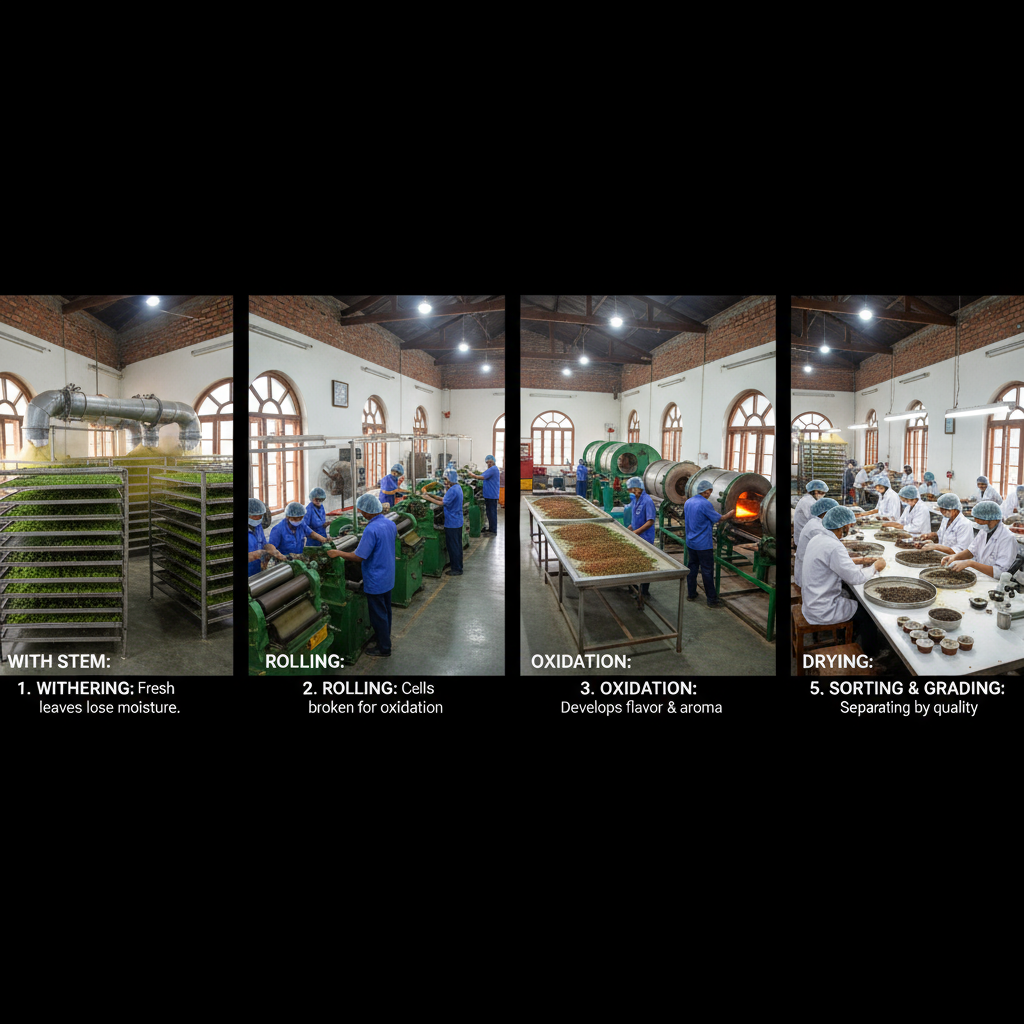
After harvesting, tea leaves undergo processing stages that include withering, rolling, fermenting, drying, and sorting. These steps develop the flavor, aroma, and quality of the final chai product. The traditional methods combined with modern technology ensure consistency and excellence.

The Role of the Tea Board of India in Quality and Certification
The Tea Board of India plays a vital role in overseeing tea production, certification, and exportation in the country. Their standards ensure that every chai produced meets high-quality benchmarks and satisfies both domestic and international markets.
Regional Variations: Unique Flavors from India’s Tea Gardens
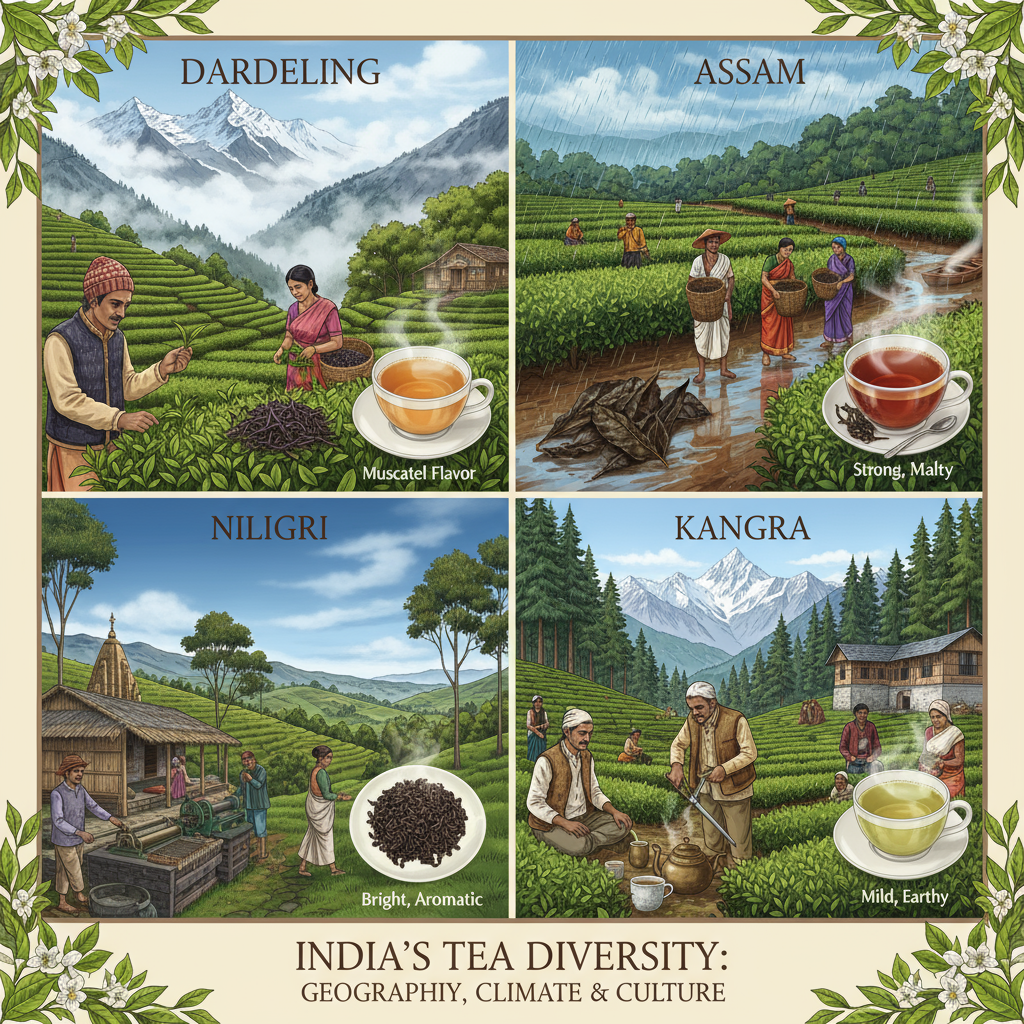
India’s diverse chai manufacturing regions contribute unique flavors and characteristics. Assam teas are known for their bold and brisk flavors, while Darjeeling teas offer floral and muscatel notes. Understanding these regional differences adds to the nuance and appreciation of Indian chai.
Experience the rich heritage and intricate chai manufacturing process that brings authentic Indian chai from seed to your cup.
7 Comments
corrupted omniverse vs pibby ben 10 fnf
October 3, 2024
For anyone looking for Corrupted Omniverse VS Pibby Ben 10 FNF, this page is worth checking. It is simple, quick, and has that FNF energy people like.
fnf corrupted omniverse vs pibby ben 10
October 3, 2024
Just played FNF Corrupted Omniverse VS Pibby Ben 10 and liked the style a lot. The song pacing keeps it interesting without feeling too messy.
corrupted omniverse vs pibby ben 10 fnf
October 3, 2024
Corrupted Omniverse VS Pibby Ben 10 FNF is a nice pick if you enjoy Friday Night Funkin mods. The theme works well and the rhythm sections feel satisfying.
Brock2946
October 3, 2024
https://shorturl.fm/HQ8qu
lobotomy clicker
October 3, 2024
This version of lobotomy clicker is worth a try. It is easy to start and has enough charm to keep the game interesting.
fun clicker games
October 3, 2024
I like using fun clicker games when I want something casual to play. The site keeps the games easy to open and share.
puzzle clicker games
October 3, 2024
Good resource for puzzle clicker games. It has a nice mix of Fun Clicker pages, remakes, extensions, and other quick games.